Reverse osmosis
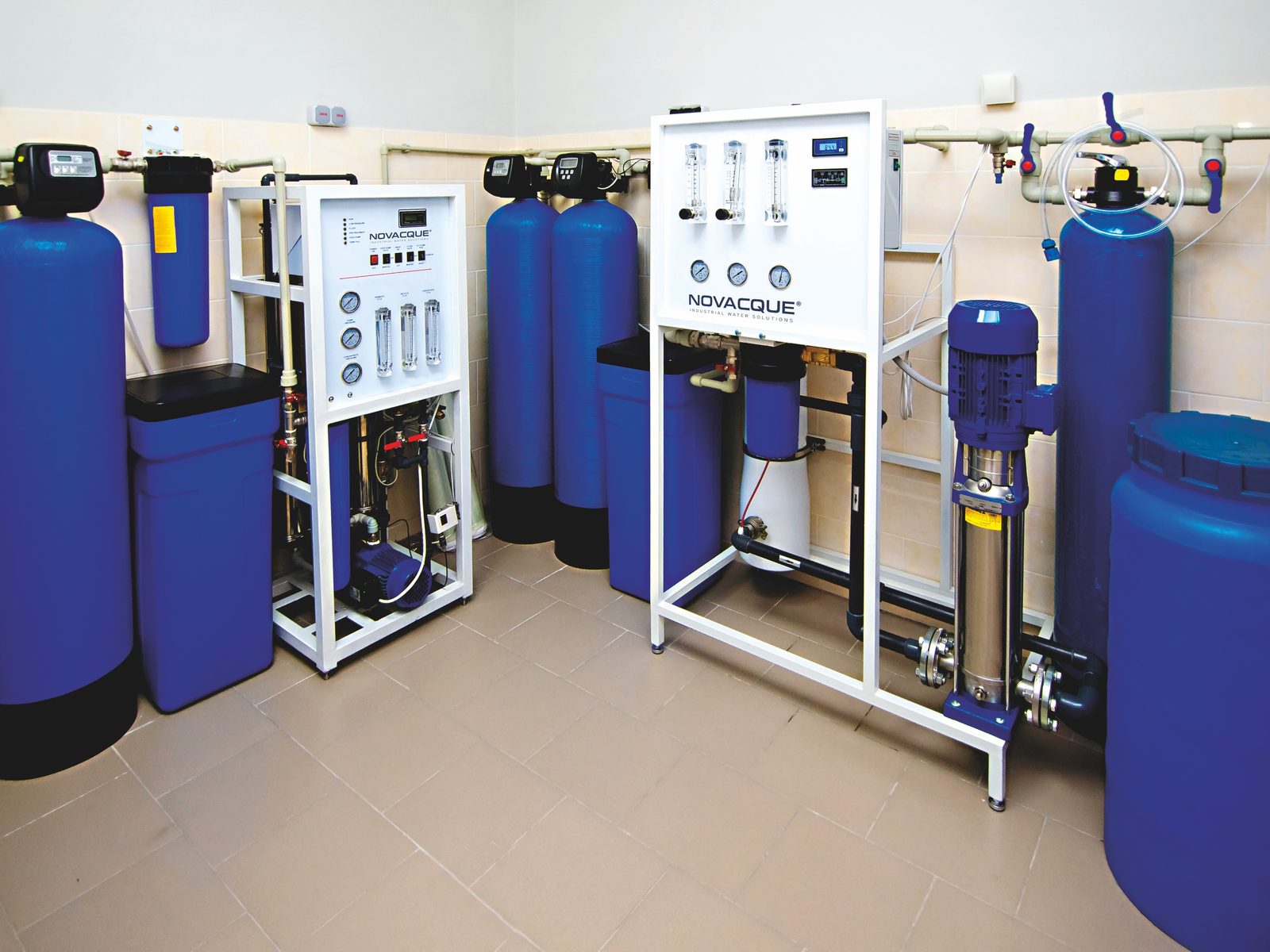
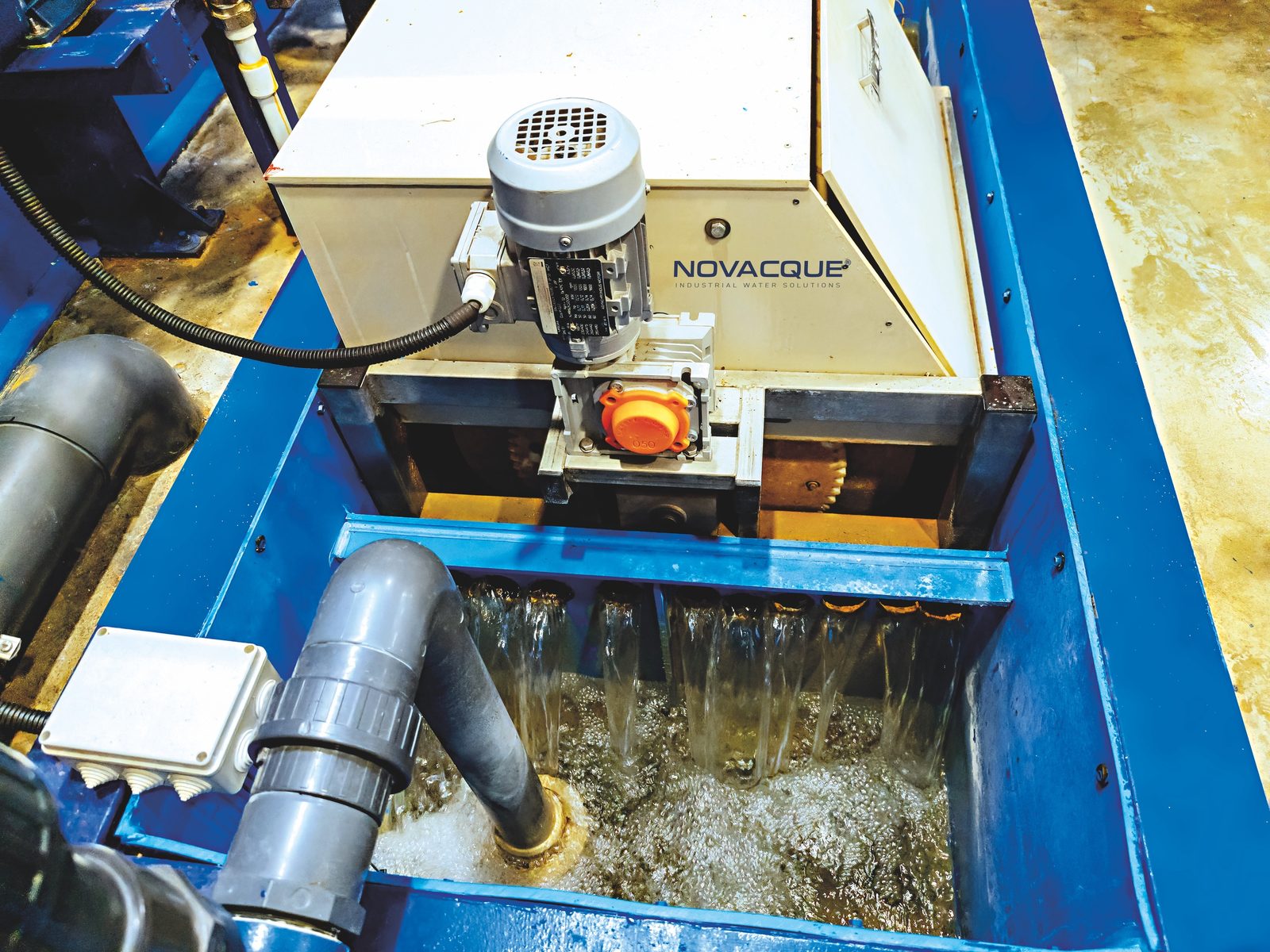
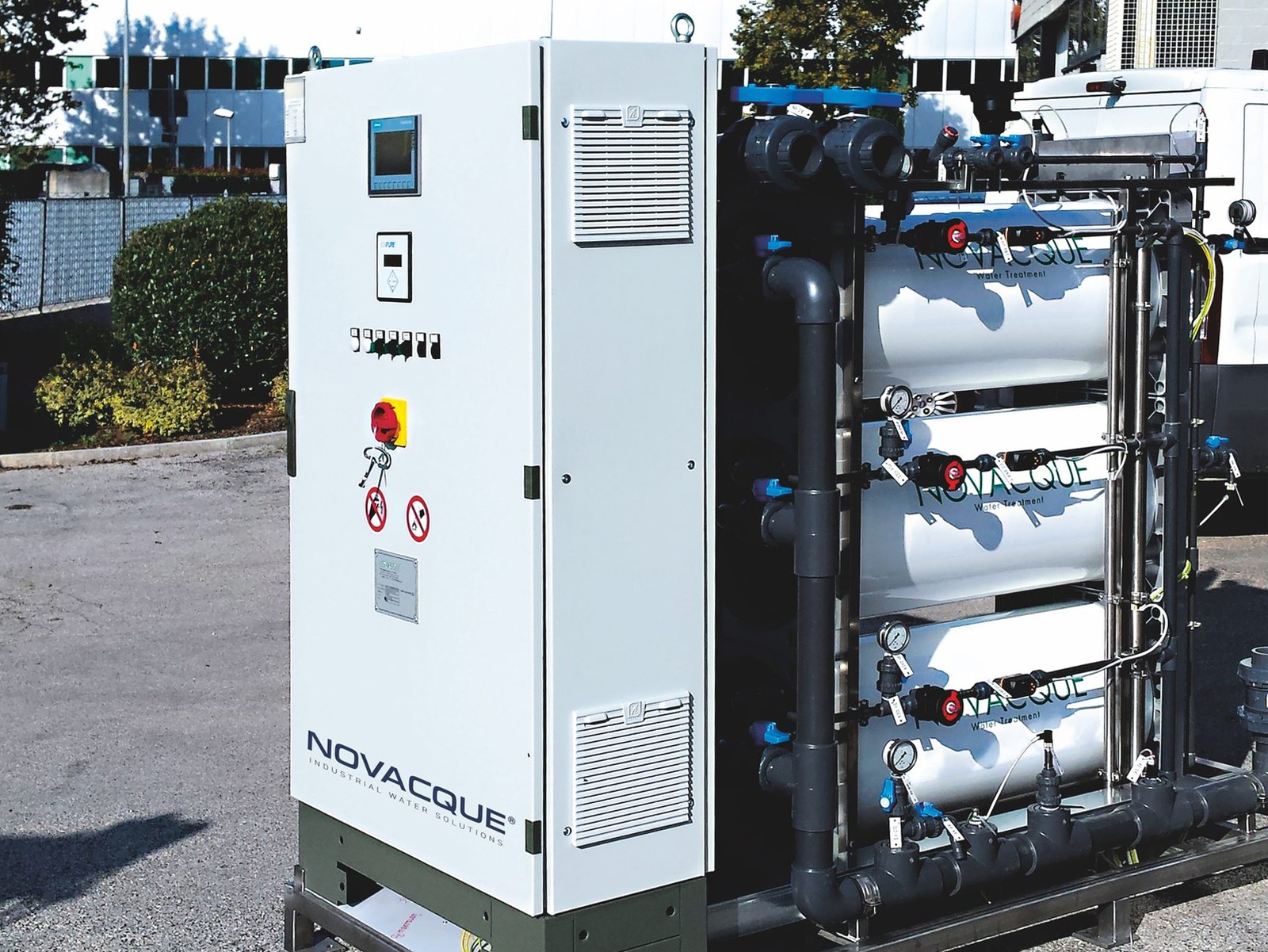
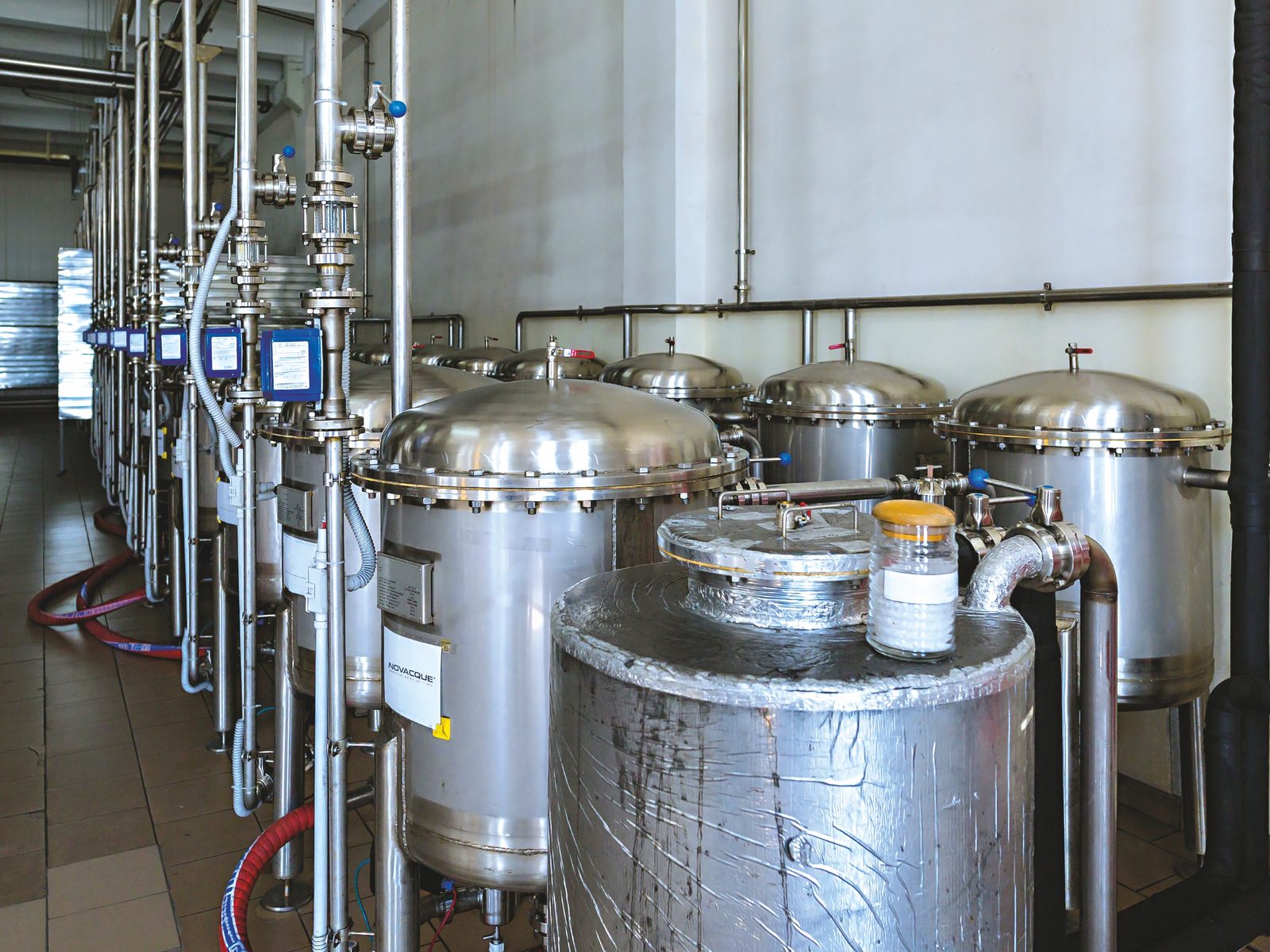
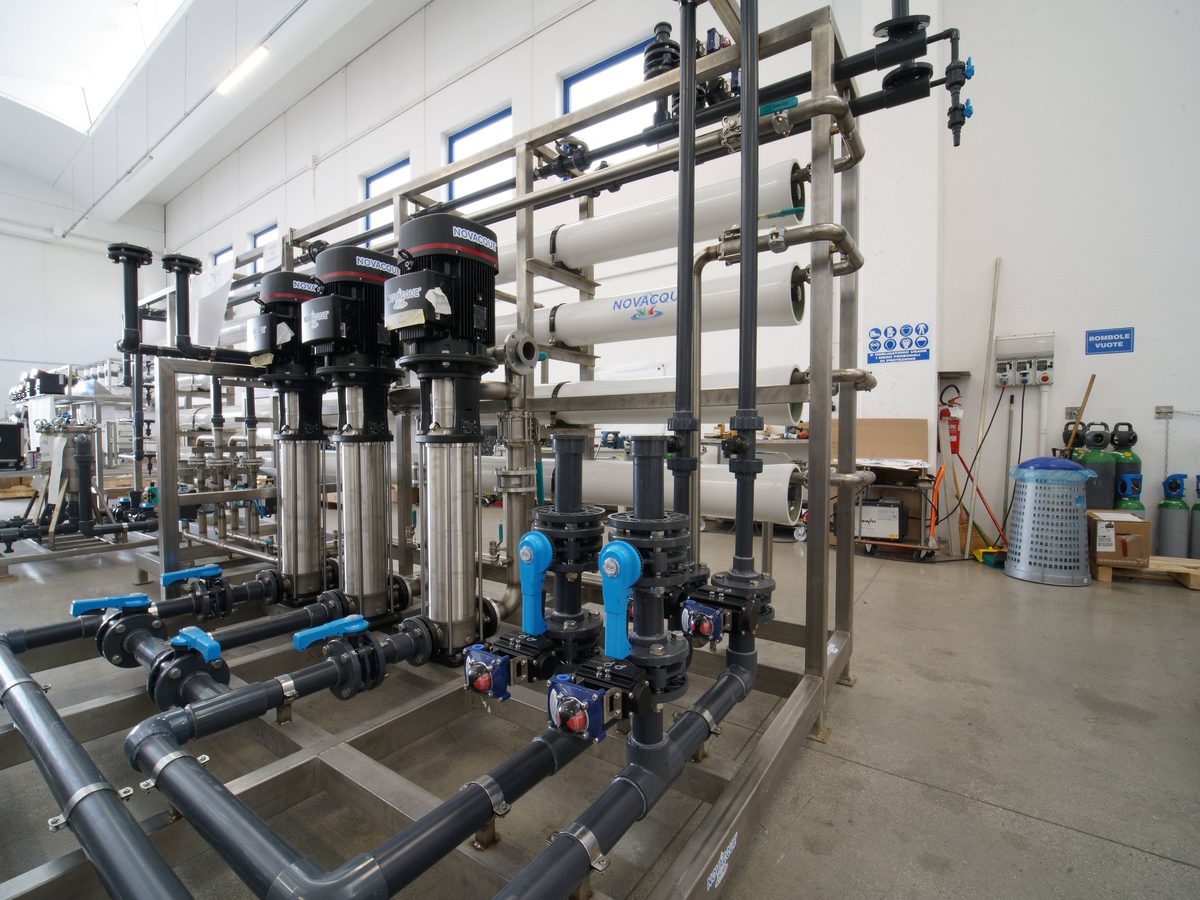
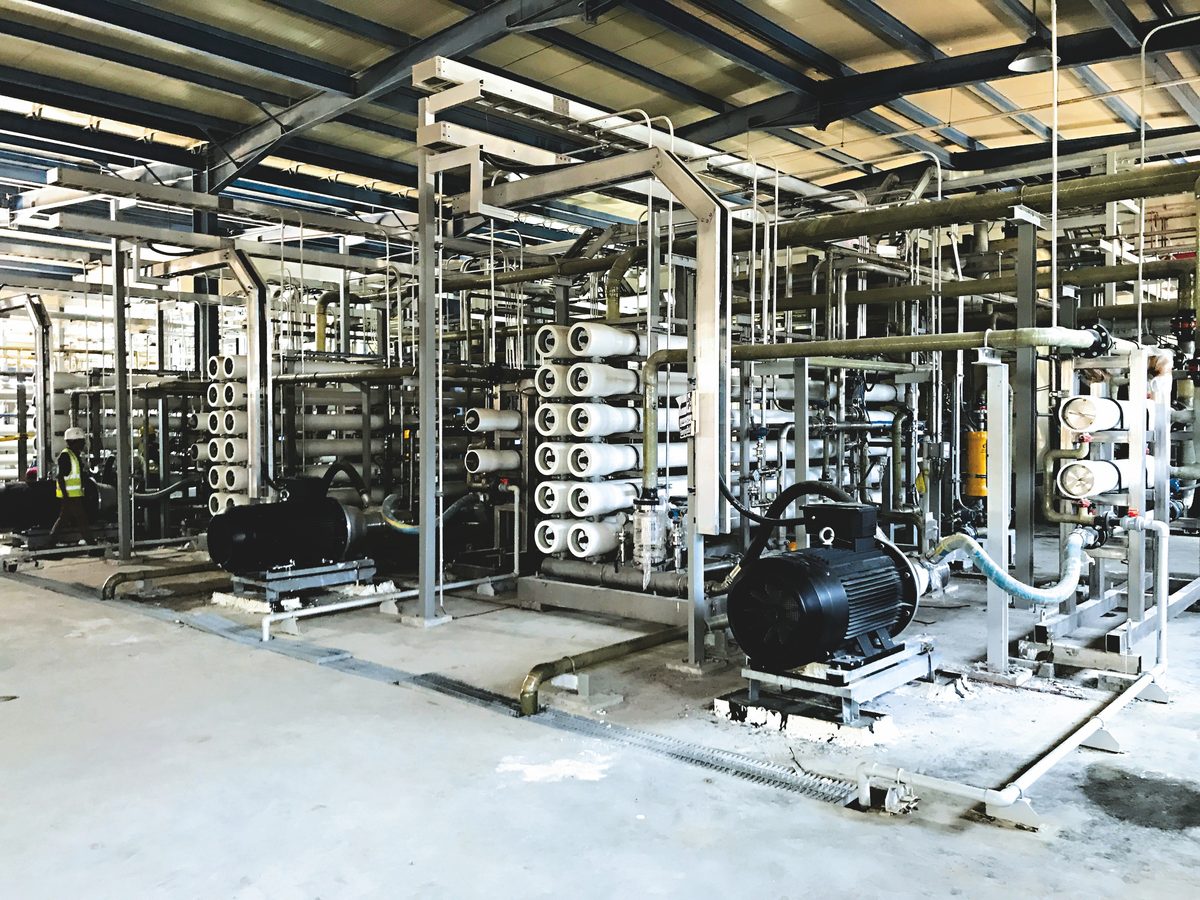
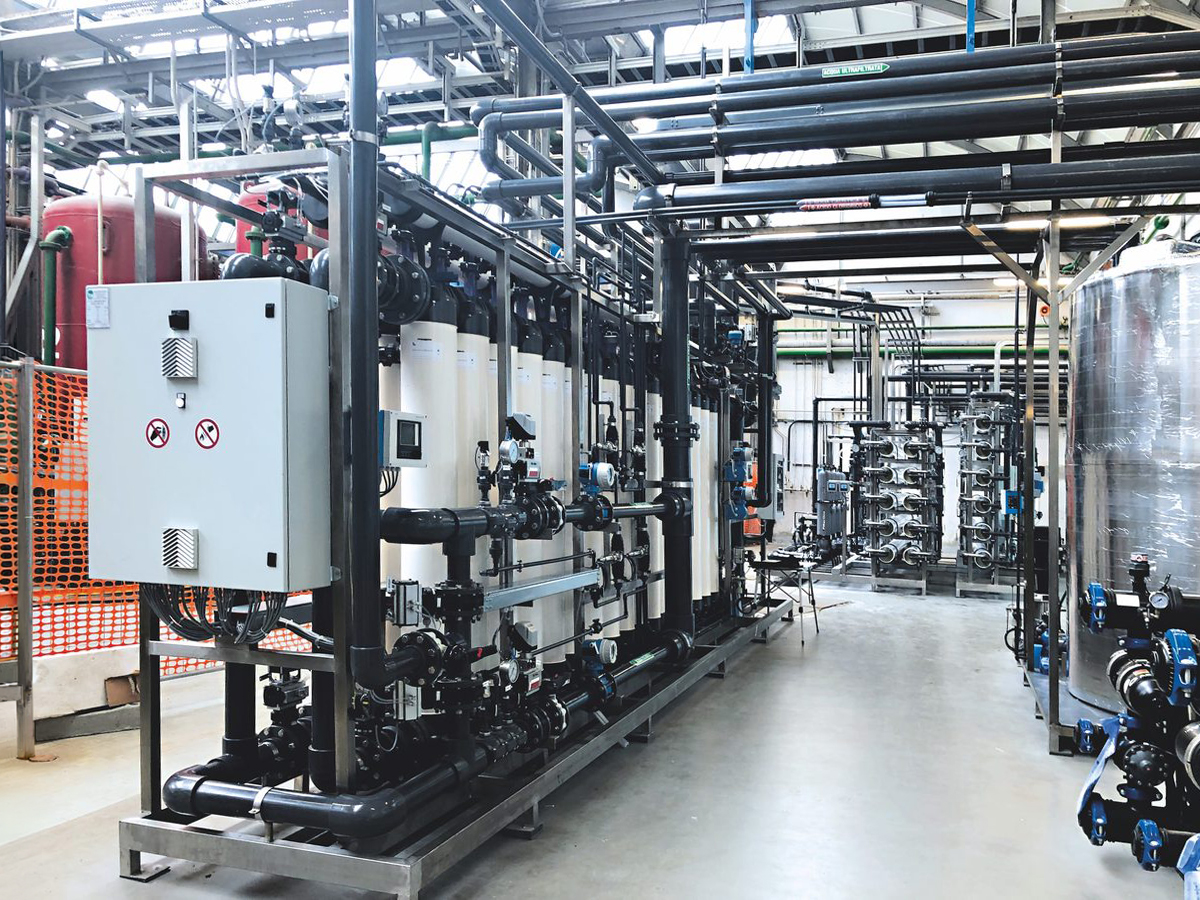
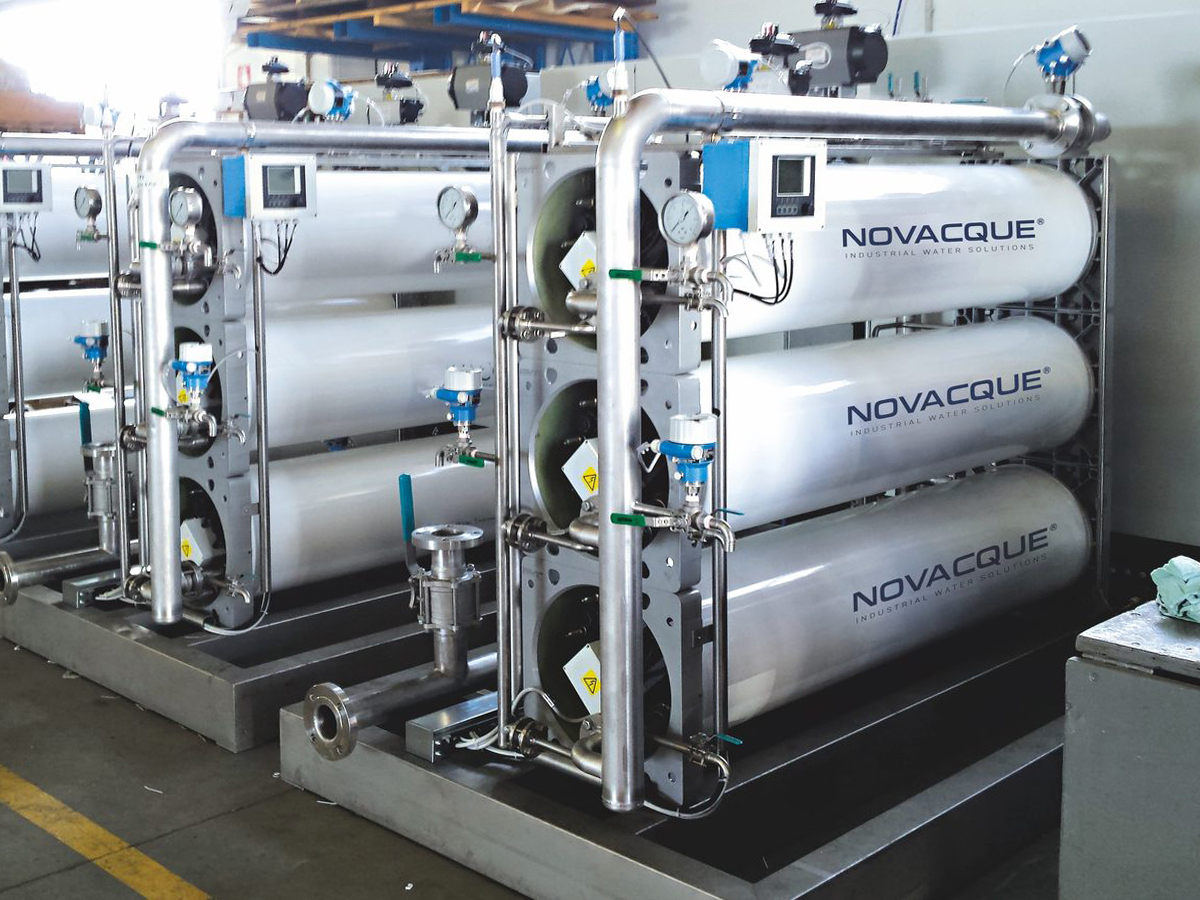
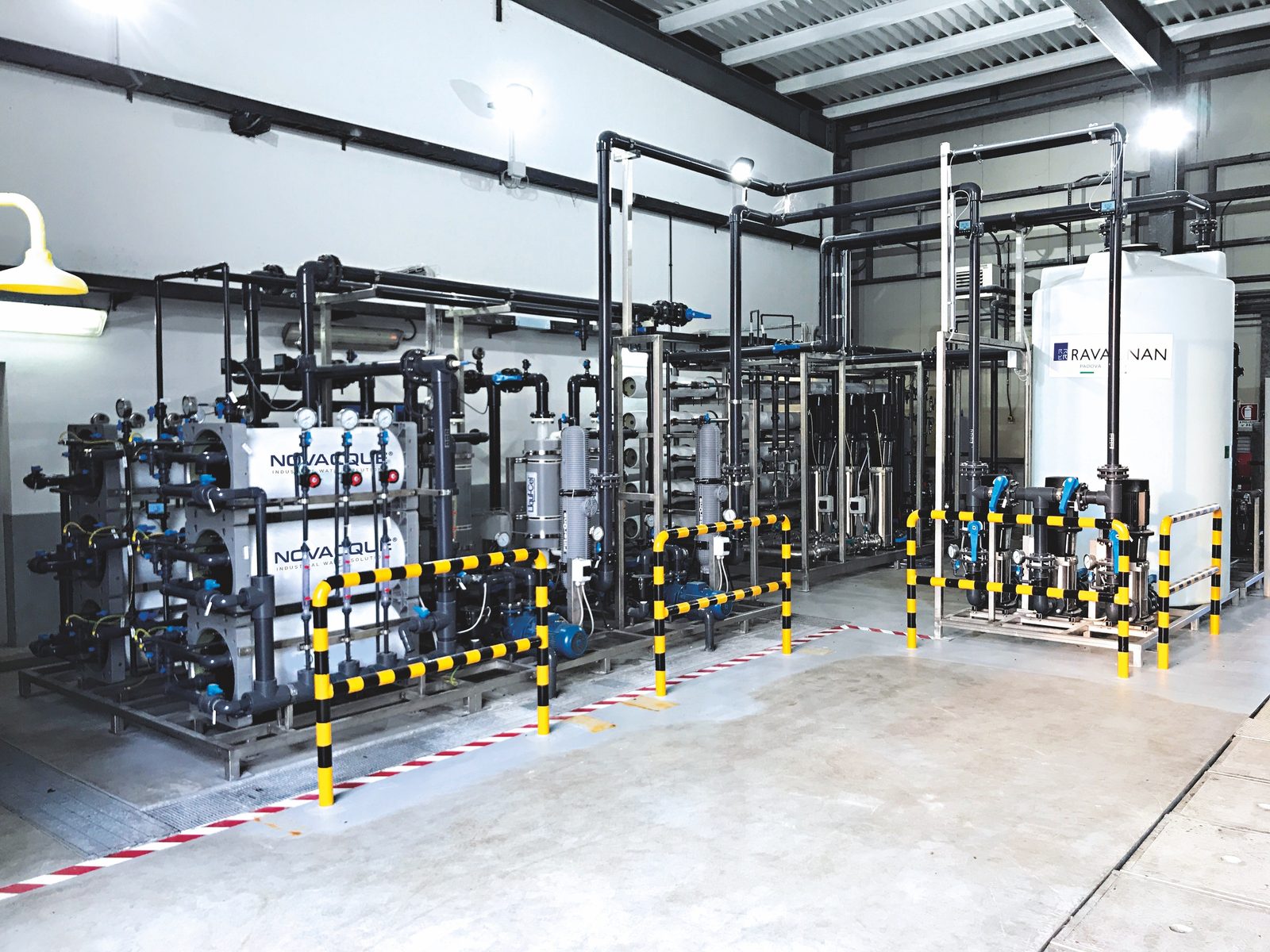
A semipermeable membrane removes salts, contaminants and particles from water. It is widely used for desalination and wastewater treatment
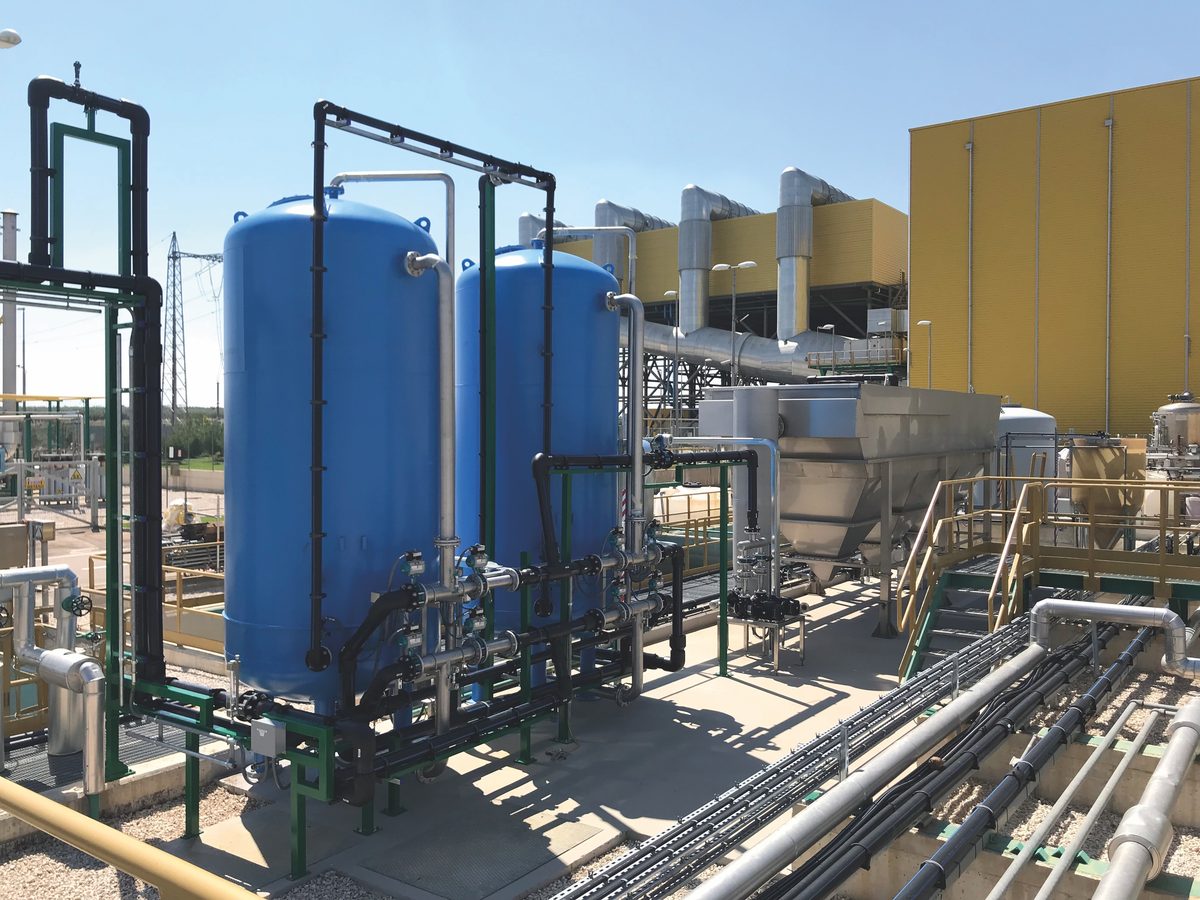
Ostiglia, demineralization: 2 × 32 m³/h · Ponti sul Mincio, ultrapure water: 2 × 10 m³/h
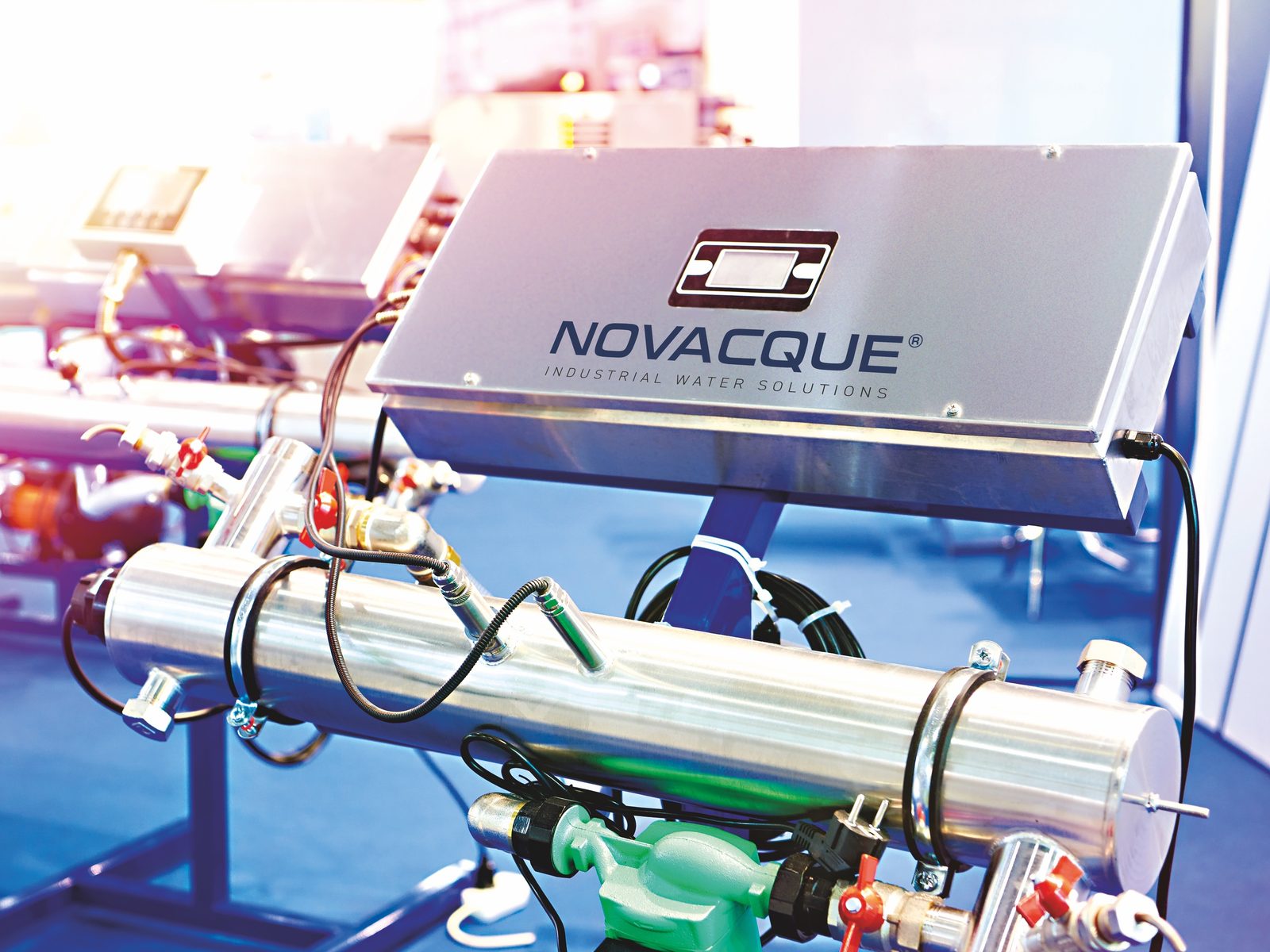
Used individually or in combination and sized to measure, according to the quality of the water to be treated and each client’s process
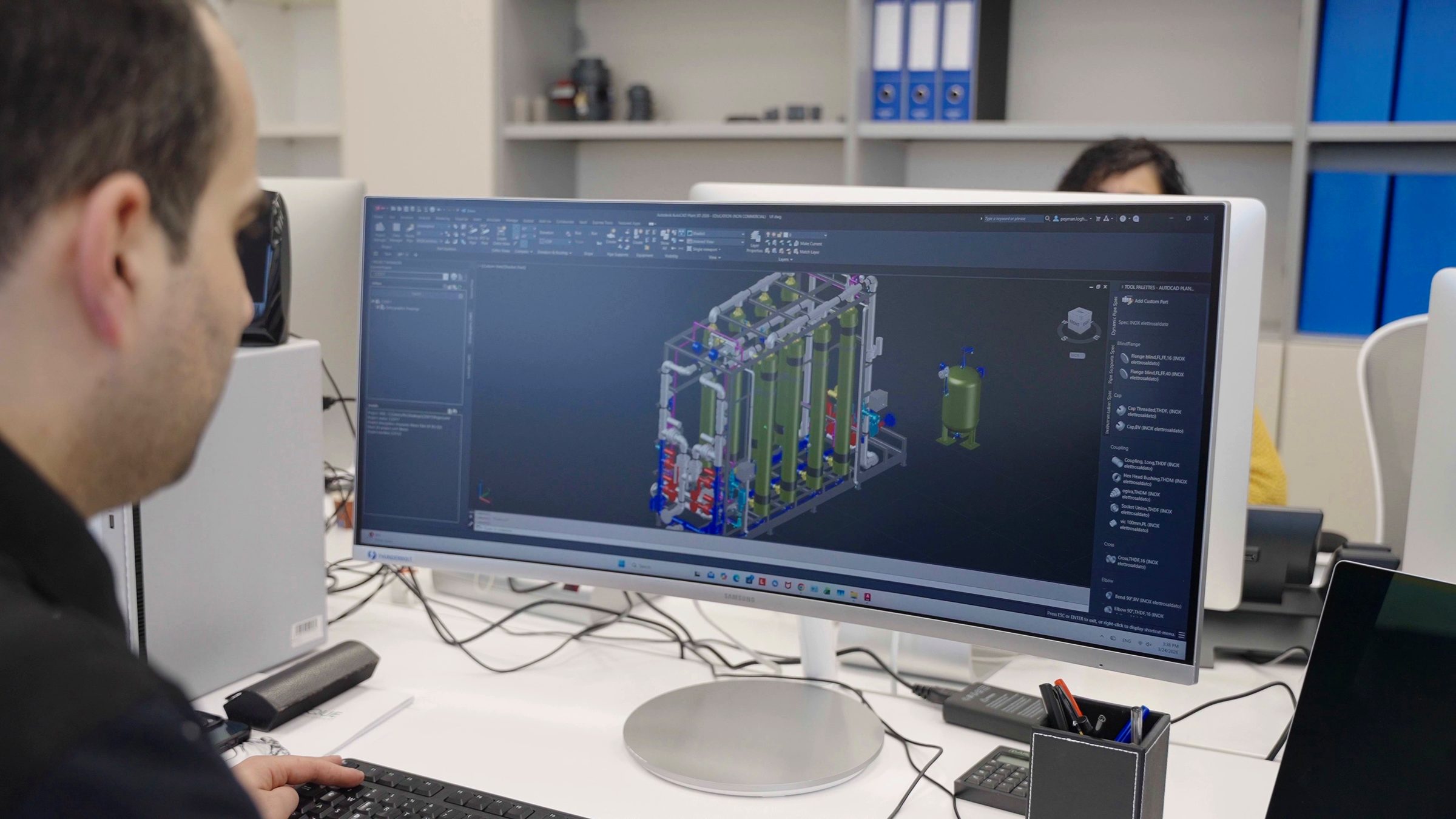
The software that runs a plant is usually outsourced to an external software house. We develop it in-house, together with the design: the people who write it know the plant in every detail, and you deal with a single partner, with no double hand-offs


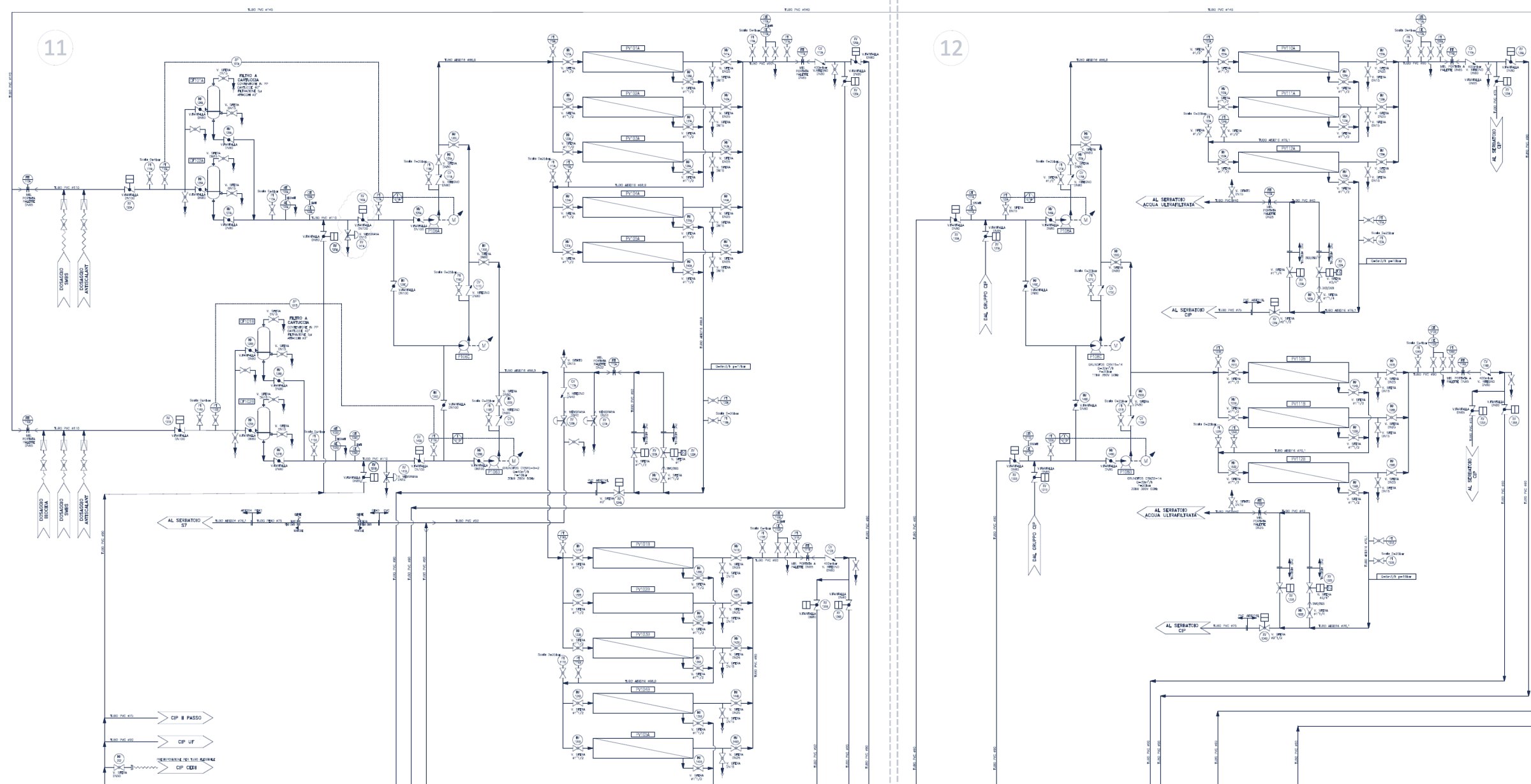
The PLC logic that controls pumps, valves, cleaning and dosing
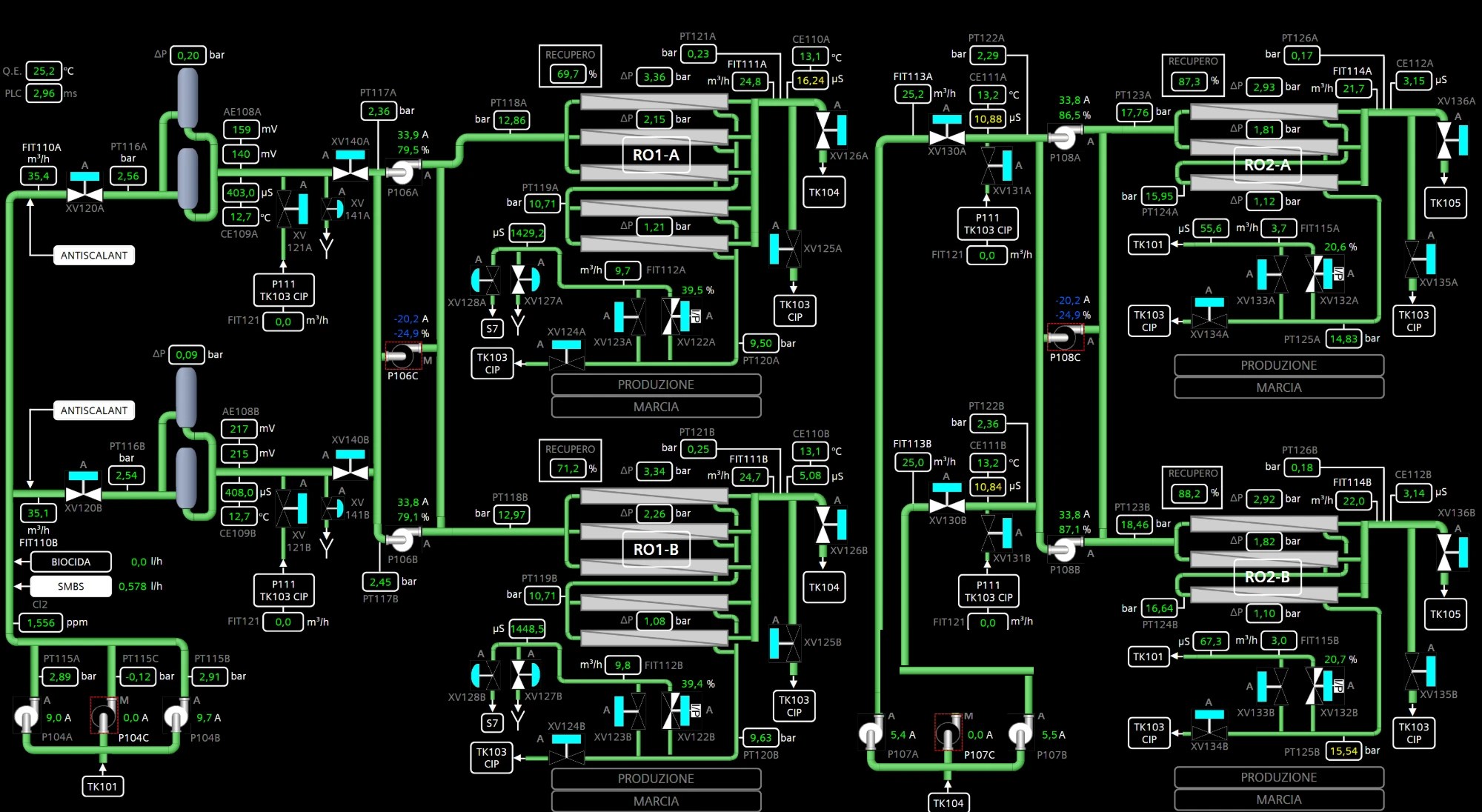
Operator pages: real-time measurements, alarms and the status of every line
Design, plant and software are developed together: changes and service go through one team
Every plant combines several technologies: here they are grouped by type of treatment, with the plants we have built

Removal of dissolved salts with reverse osmosis, ion exchange and electrodeionization, for process and boiler water
8 references →
Fresh water from seawater or brackish water, with high-pressure reverse osmosis
1 reference →
Ultrafiltration membranes and filters to retain suspended solids, turbidity and bacteria
6 references →
Electrodeionization and degassing membranes for boiler water and the most demanding processes
5 references →
Wastewater treatment for reuse, up to zero liquid discharge
2 references →
Drinking water from rivers, groundwater or wells for plants, services and communities
3 references →
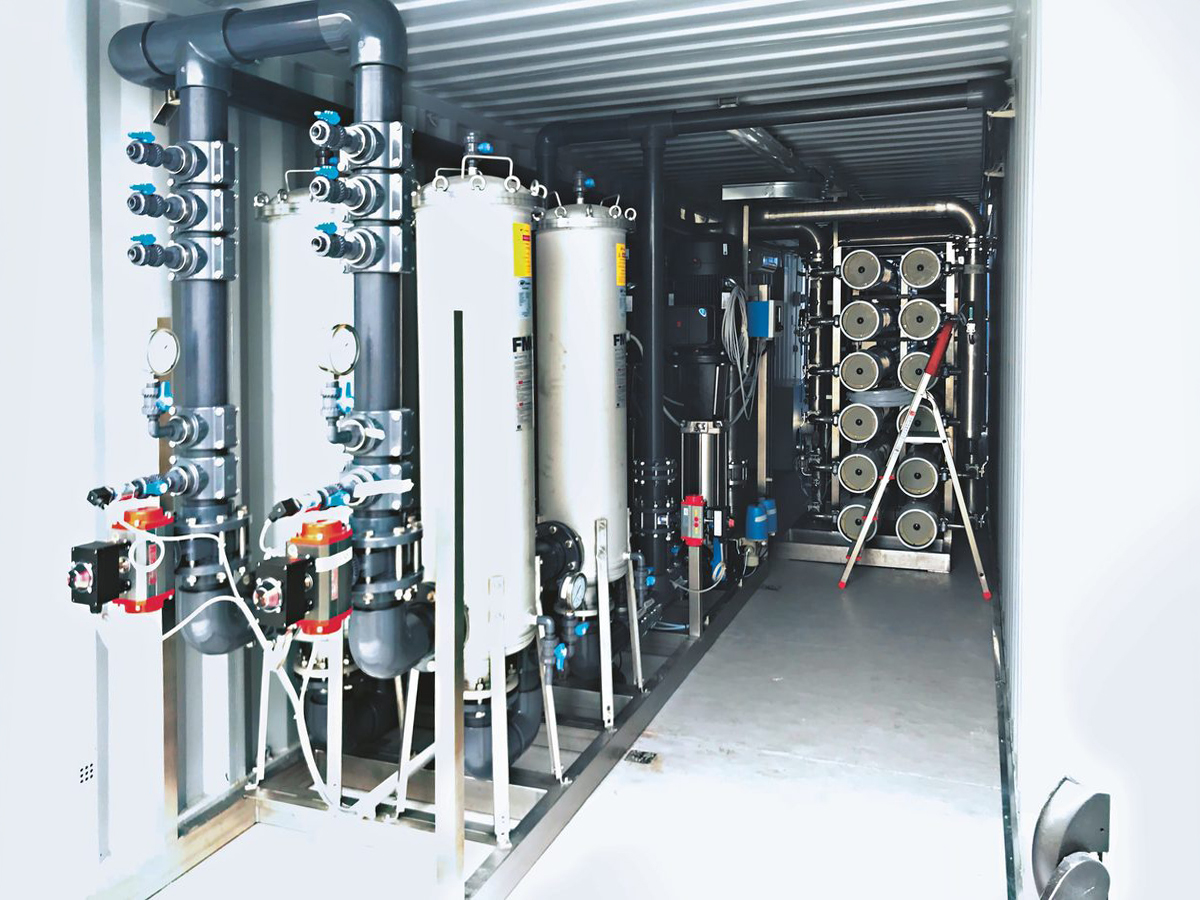
Complete plants built and tested inside a container, ready to connect
1 reference →
A semipermeable membrane removes salts, contaminants and particles from water. It is widely used for desalination and wastewater treatment
Ostiglia, demineralization: 2 × 32 m³/h · Ponti sul Mincio, ultrapure water: 2 × 10 m³/h

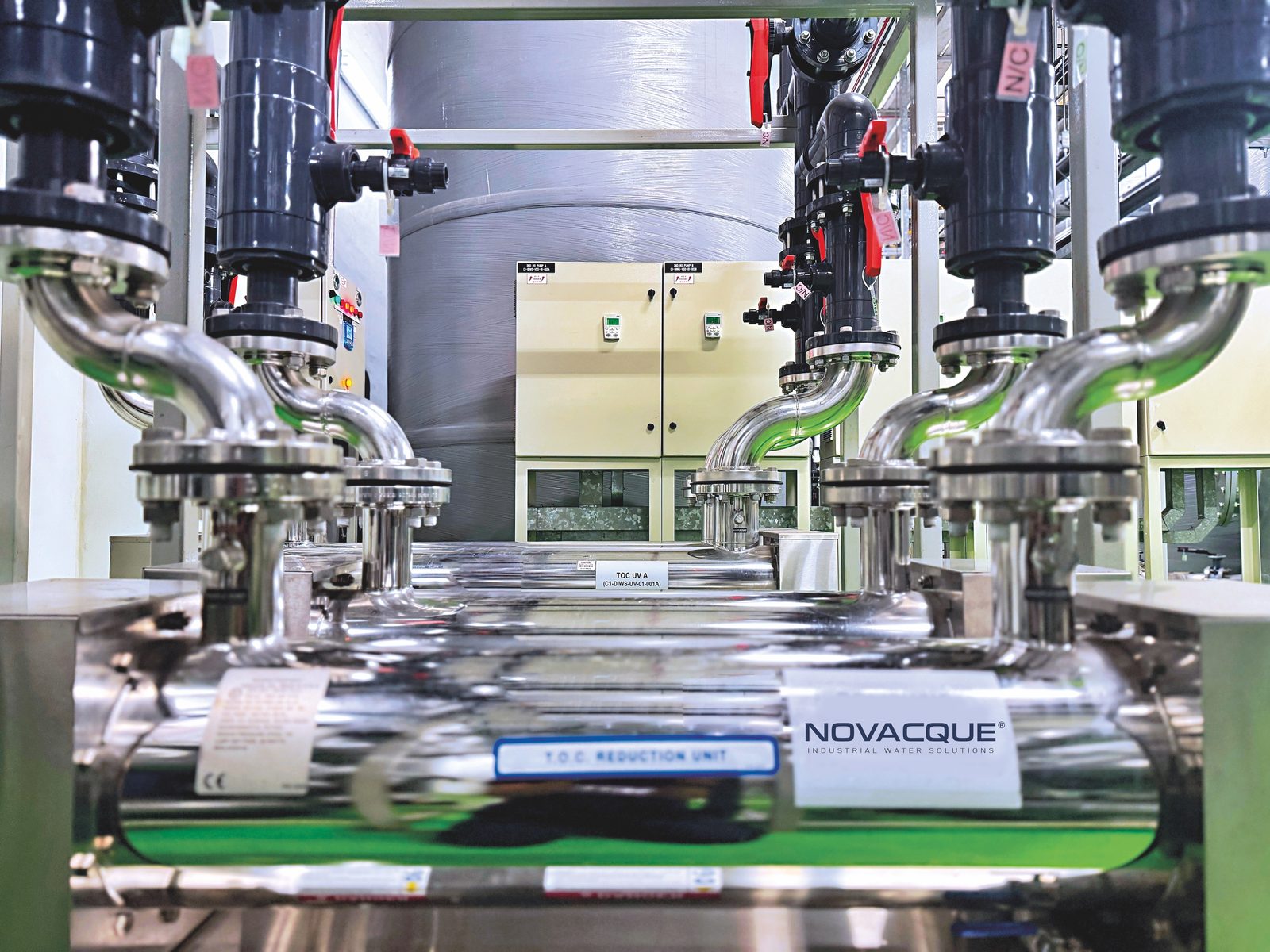
Nanoparticles enhance filtration processes and contaminant removal. Graphene-based filters, for example, remove pollutants more efficiently

Ultraviolet radiation disinfects water: it eliminates bacteria, viruses and other pathogens without the use of chemicals

Ozone is an oxidant that destroys organic contaminants and pathogens. It is often used in combination with other purification technologies

Biological organisms, such as bacteria and algae, break down pollutants and improve water quality. It is often used in wastewater treatment systems

Electrocoagulation and electrodialysis remove heavy metals and other pollutants through electrical processes

Activated carbon filters remove chemicals, chlorine and odors, and improve the taste of water
Ivory Coast, river water purification: 50 m³/day

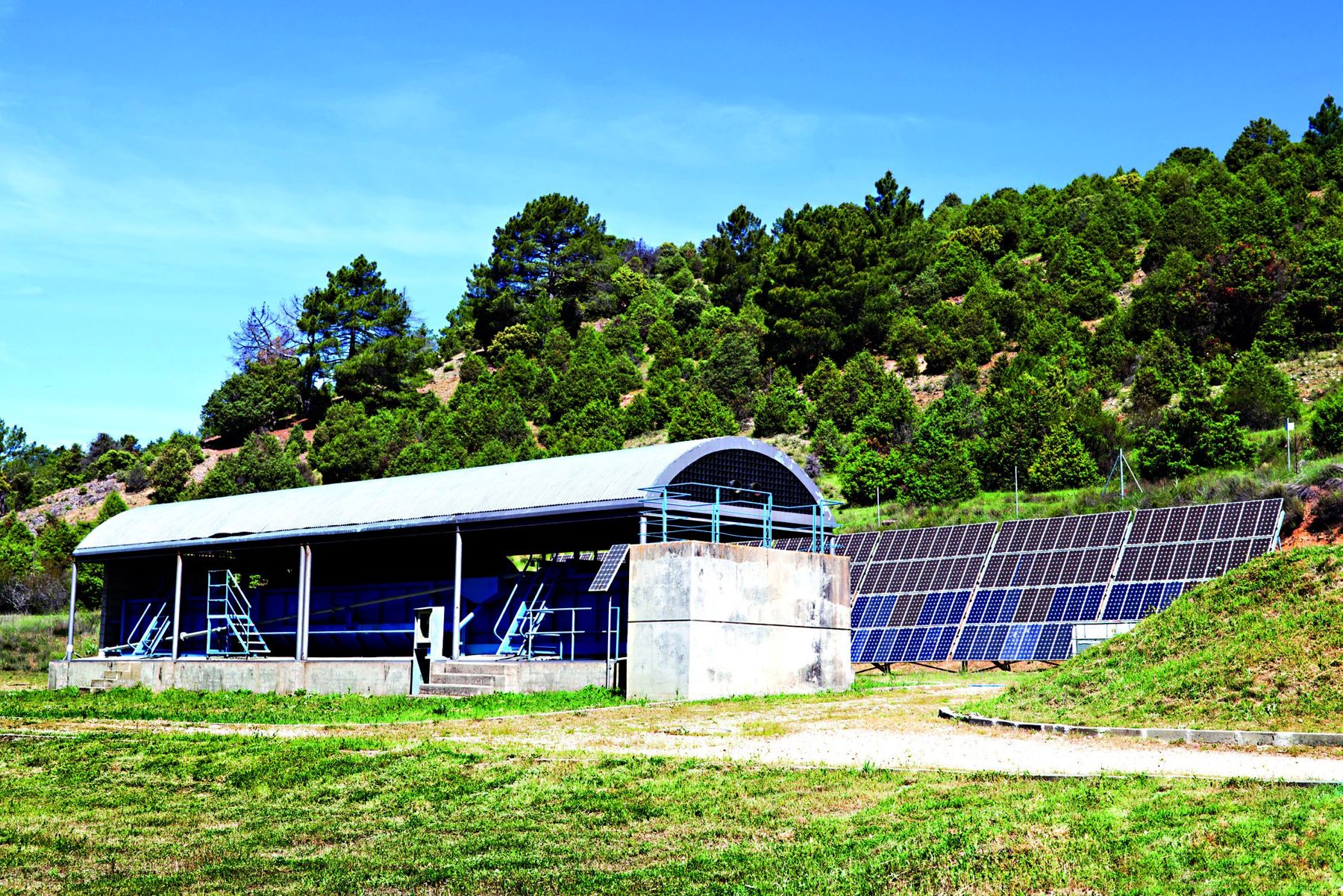
Some systems use solar energy to purify water, through processes such as solar distillation or UV sterilization
Actual flow rates of completed plants
All referencesUkraine, 3 × 110 m³/h
Italy, 2 × 130 m³/h
Container, 2 × 35 m³/h
Ostiglia, 2 × 32 m³/h
Chivasso, 2 × 20 m³/h
Ponti sul Mincio, 2 × 10 m³/h
CO₂ removal from demineralized water, 2 × 25 m³/h
Switzerland, Israel and Italy, up to 2 × 180 m³/h
Egypt, seawater, 3 × 60 m³/h